Buying guides
Camper buying guides for importers, dealers and fleets
Working notes on how the TUYU Camper range is specified and sold into different markets — written for the people who have to choose a range, build a container and support the units after they land. Every statement is traceable to a documented product fact, and the items we cannot yet evidence are listed openly rather than filled in.
Published
34 guides so far
New guides are added as the underlying product documentation is confirmed. Product facts come from the configuration catalogue; dimension tables, certification documents and commercial terms are added when they can be evidenced.
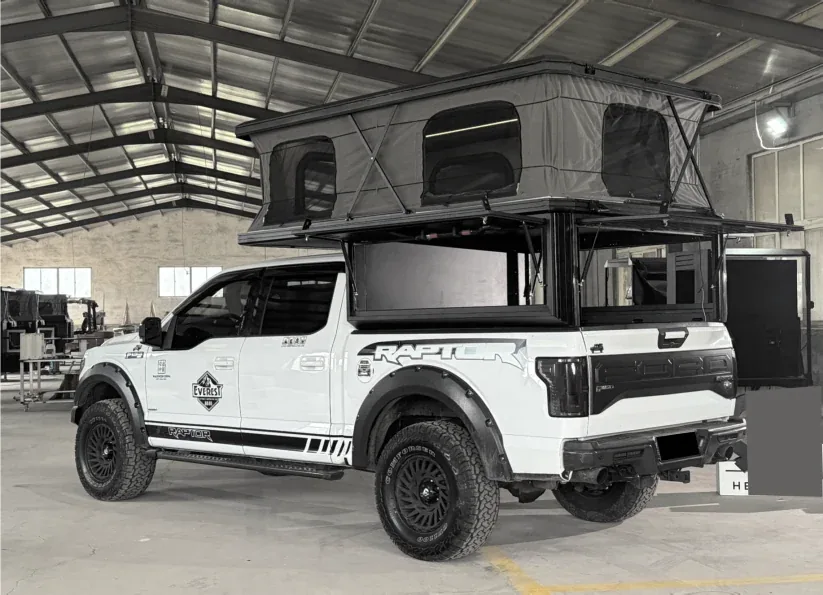
Body-type selection — choosing between a canopy camper and a pop-top body for one vehicle that is used for work and for travel
Canopy or Pop-Top: Matching the Body to a Truck That Works All Week
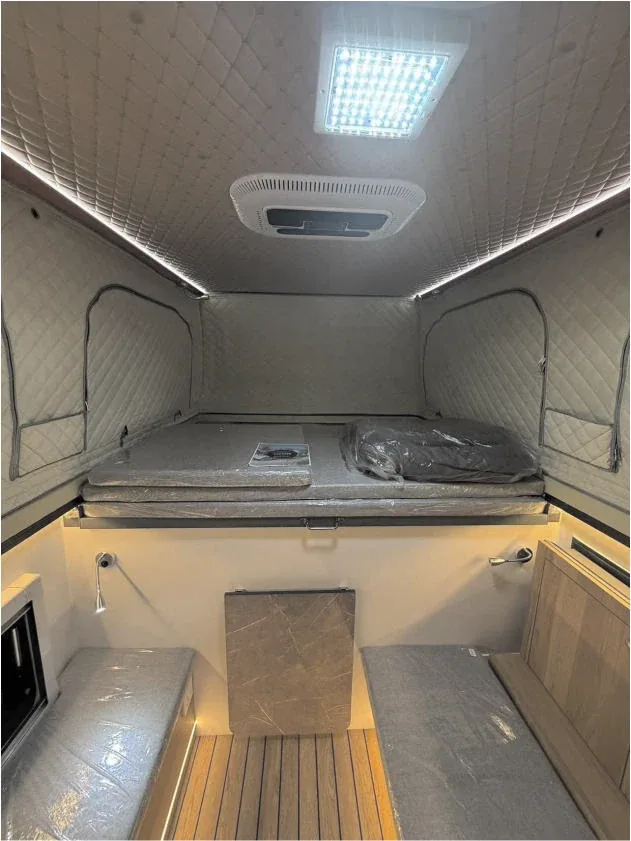
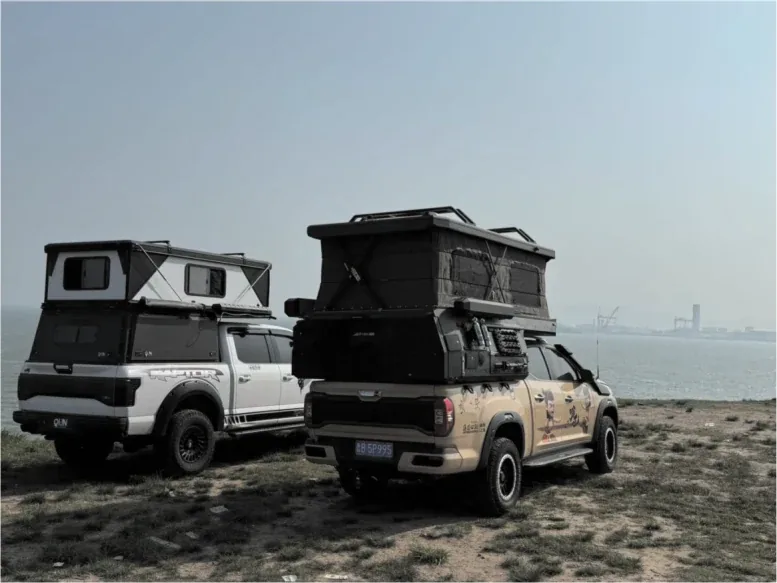
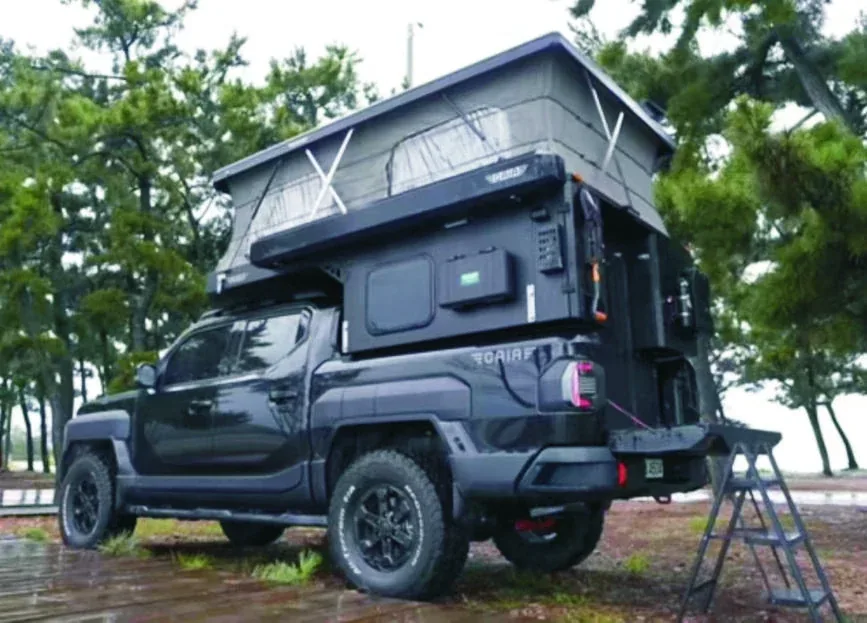
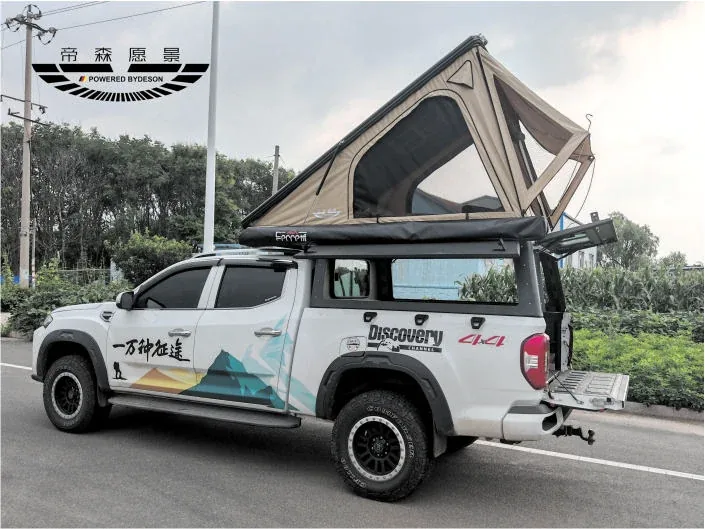
A canopy camper keeps the pickup bed as cargo space: an all-aluminium high cover with wing windows on three sides and a folding roof tent built into the roof, so the load area stays in service on a working day and the sleeping area sits above it at the weekend. A pop-top body takes the bed instead — the unit bolts in non-destructively, the roof lifts to give standing headroom and the interior is configured per order. Choose the canopy when the truck has to stay a work vehicle, and the pop-top when the buyer wants a camper with an interior to live in. Inside the canopy range the split is the roof tent: C1 carries a rigid FRP shell, C2 a high-density waterproof canvas.
10 November 2026 · 7 min read · For Dealers, importers and fleet buyers serving trade and dual-use pickup customers
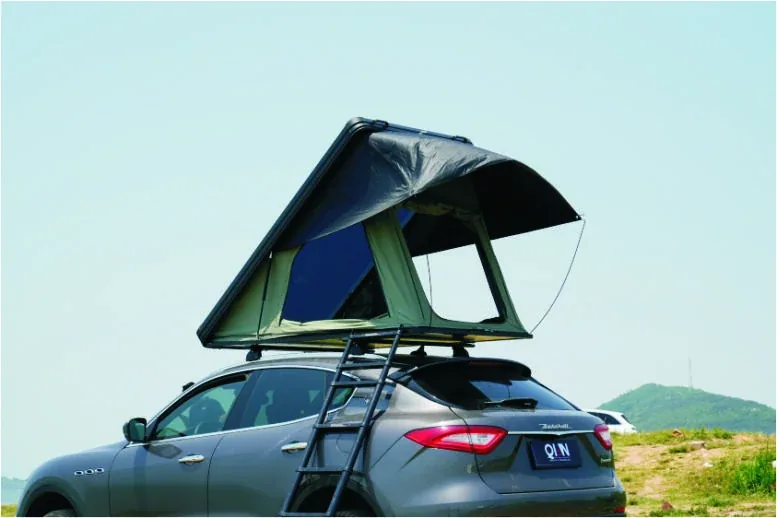
Fleet product selection — deciding where a roof-top tent sits in a hire fleet alongside camper bodies
Roof-Top Tents for Rental and Tour Fleets: The Lowest-Maintenance Sleep Unit
Both R1 and R2 are hard shells, so the only fabric in use is the section that opens and there is no canvas body to dry out between hires. Each unit ships with the mattress, a telescopic ladder and the mounting kit as a fixed included list, containerises as a compact flat pack, and mounts to any vehicle with a roof rack rather than to a specific pickup bed. That makes the tent the sleep unit a fleet can store flat, hand over quickly and allocate to whatever vehicle the guest arrives in — while camper bodies keep the hires that need an interior.
8 November 2026 · 7 min read · For Rental and tour-fleet operators, and the dealers and importers who supply them
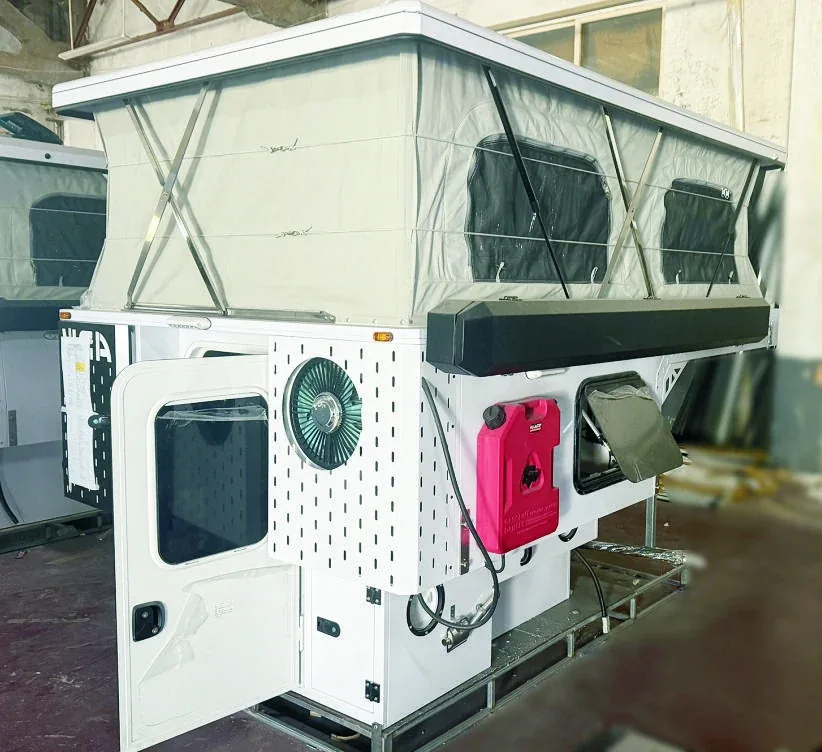
Compliance-document route — settling the paperwork conversation before the configuration is committed
Compliance Paperwork by Market: What to Confirm Before You Choose a Configuration
Compliance requirements differ by product and by destination market, and the documented route is to name the market first: the destination market travels with the specification at stage 01, and the supplier confirms which documents can be supplied for that configuration before the order is committed. The market decision therefore precedes the configuration decision — not the other way round.
7 November 2026 · 7 min read · For Importers and private-label brands entering new markets
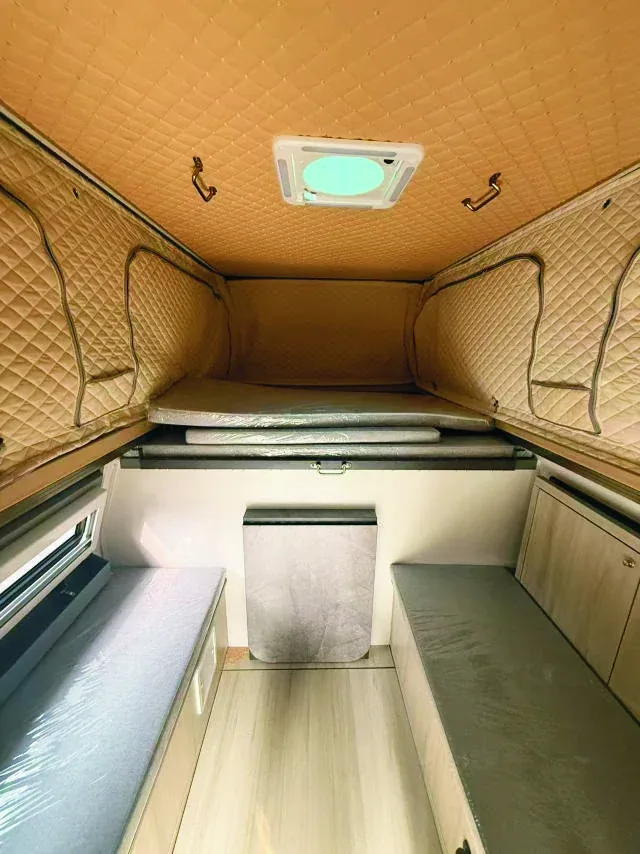
Decision finalisation — turning an options list into a confirmed, buildable specification
The Specification Freeze: Turning the Options Catalogue into a Buildable Order
The options catalogue defines what can be chosen; the written specification defines what was chosen. The freeze happens when the returned stage-01 specification — model and construction, lift mechanism, equipment level, colours and livery, branding and artwork — is confirmed line by line, because the quotation, the production run and the pre-shipment inspection all build against that document. A change after the freeze reopens every stage downstream of it, which is why the vehicle list, the destination market and the equipment level are settled before the order is committed.
5 November 2026 · 7 min read · For First-time importers and private-label brands
Order timing — planning the programme calendar against the market selling season
Ordering a Truck Camper Programme Against the Selling Season
Work backwards from the season, not from a published lead time. The process route is fixed — written specification, quotation against spec, quantity and port, production with progress records, pre-shipment inspection, shipping in the agreed format — but its duration is quoted against the order volume and the model mix, not as fixed days. So the planning lever is starting the specification conversation early, confirming market compliance before the configuration is committed, and, where the calendar is tight, putting a single evaluation or demo unit through the full route before the container-scale order.
4 November 2026 · 7 min read · For Importers and dealers planning stock and cash flow
Merchandising — attaching a second product line to the customers a dealership already serves
The Roof-Tent Cross-Sell: Attaching a Second SKU to Every Camper Sale
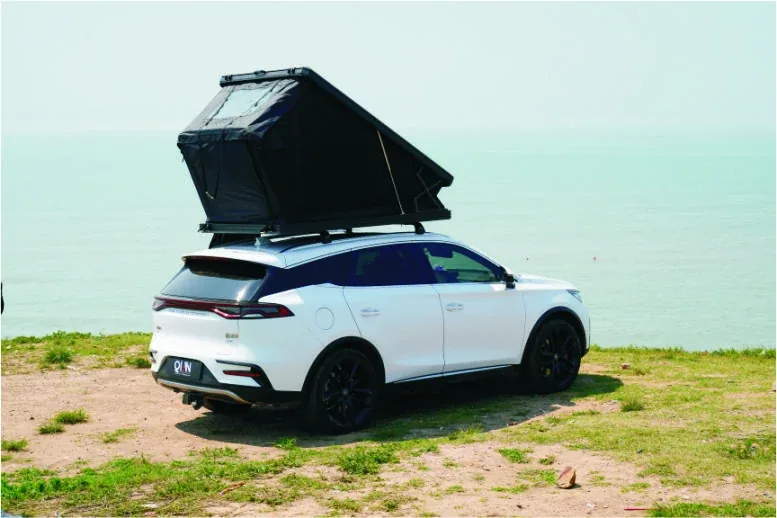
Roof-top tents are the one product in the range not tied to a pickup: they mount to any vehicle with a roof rack or crossbars, ship as compact flat packs and can ride in the same mixed container as the camper bodies. That makes them the natural second SKU for a camper dealership — sold to customers whose vehicle stays unmodified, to camper buyers adding a solution for a second vehicle, and to the towed-trailer customers the camper range does not reach.
3 November 2026 · 7 min read · For RV and 4x4 dealers selling campers, importers building a retail range
Delivery-side process — checking the container arrival against the documents agreed before production
Receiving the Container: Checks Before the First Body Goes on a Truck
The receiving check is a document match, not a fresh inspection. Units arrive assembled or in shipping configuration per the model and the agreed format, roof-top tents arrive as compact flat packs with mattress, ladder and mounting kit included, the pre-shipment inspection record already exists from before loading, and the spares kit ships with the first order — so the container is checked against documents agreed before production, and the written specification on file defines what the delivery should match.
2 November 2026 · 7 min read · For First-time importers, dealers taking delivery
OEM programme mechanics — what the private-label hand-over includes beyond the decal
Private Label Beyond the Logo: Packaging, Manuals and the Brand Hand-Over
The private-label programme covers the logo and decals applied at the factory, your own packaging, manual and warranty wording, body colour, livery and window count set per order, and the interior layout configured from the options catalogue — with the specification and artwork kept on file so repeat orders are produced to the same standard without re-approval. The brand hand-over is a document set, not a decal.
1 November 2026 · 7 min read · For Private-label brands, importers building own brands
Retail readiness — specifying a demonstration unit for the showroom floor
The Dealer Demo Unit: Specifying the Floor Model That Sells the Range
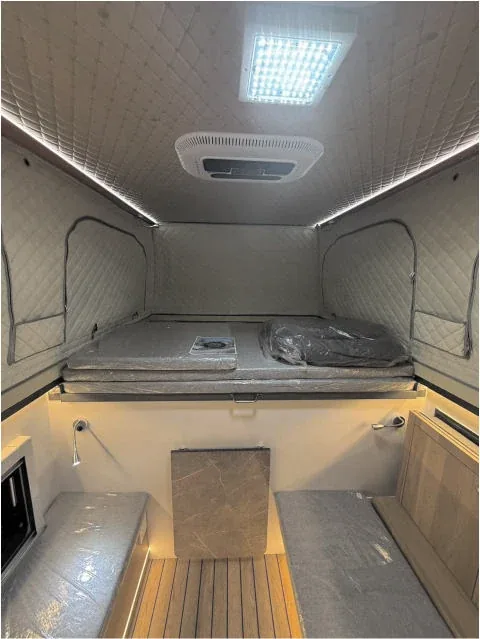
A dealer demo unit is specified from the same options catalogue as any other order — the difference is what each item has to do on the floor. It has to demonstrate a lift mechanism the customer can watch working, an equipment level at the market position you sell, an interior colour scheme judged in person rather than on screen, and the fitment story for the trucks your market actually drives. MOQ is flexible, so the demo can be a single unit ordered against the same written specification as the series that follows it.
30 October 2026 · 7 min read · For RV and 4x4 dealers, retail showroom and demo programme planners
Range literacy — reading the recorded applications arrays as a model-positioning map
One Body, Three Markets: Reading the Applications Behind a Model
Every model page in the catalogue carries a short applications list — the T2, for example, is recorded for dealer main range, family touring and rental fleet, the T3 for entry dealer range, first-time camper buyers and price-led markets, and the T5 for long-distance touring, premium dealer range and expedition outfits. Read across all twelve models, those arrays are the factory's own positioning map for the range, and a dealer or private-label brand can build a position by reading them before writing any specification.
29 October 2026 · 7 min read · For RV and 4x4 dealers, private-label brands, importers planning a range
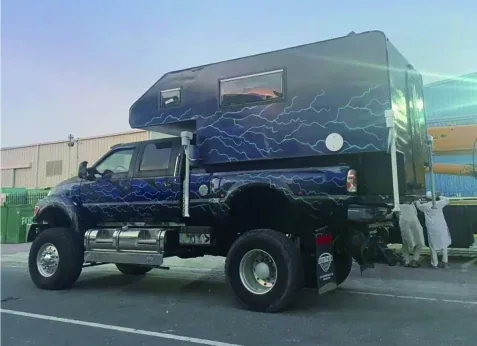
How to choose — a category-entry comparison between truck campers and travel trailers
Truck Camper or Travel Trailer: Which Category Belongs on Your Import List
The two categories solve different customer problems. A truck camper mounts in the bed — or on the deck or chassis — of the pickup the customer already owns, installs with non-destructive bolt-on mounting, travels low on pop-top models and is made to the bed or chassis dimensions of one specific vehicle. A travel trailer is a towed second unit the customer buys alongside the vehicle. The category decision follows the customer base: where the market already runs pickups, the camper range covers pop-top, hard-top, canopy and roof-tent price points from one supplier, with mixed-model containers accepted and flexible MOQ.
28 October 2026 · 7 min read · For Importers and dealers deciding which camping category to add to the list
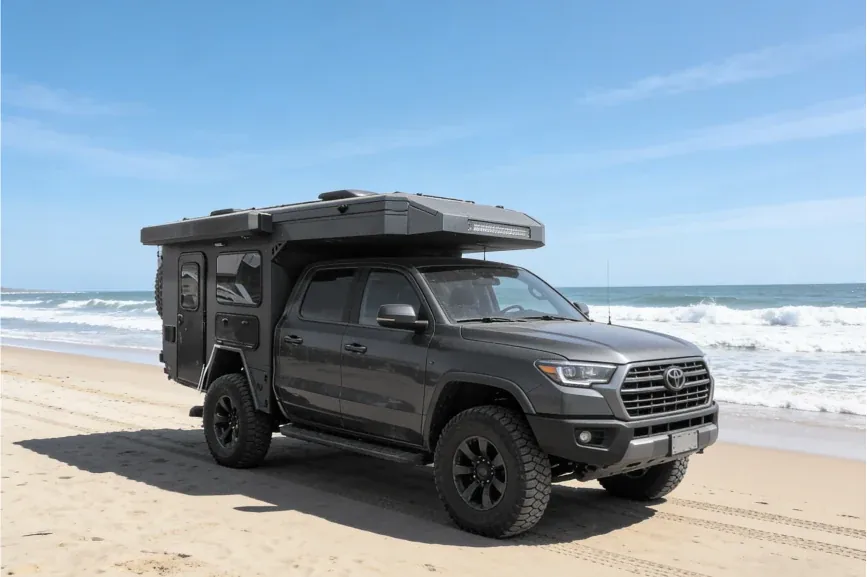
How to choose — turning the recorded applications of the catalogue into a three-tier merchandising structure
Entry, Core and Premium: Positioning the Range for a Retail Floor
The tiers are already recorded in the catalogue. The applications arrays on the model pages define an entry tier (T3 and C2 — entry dealer range, first-time buyers, price-led and value markets), a core tier (T2 and T1 — dealer main range and the off-road dealer range) and a premium tier (T5, T6, H1 and H2 — premium dealer range, four-season retail and expedition markets). Merchandise the floor by position and let the construction differences justify each tier, while the T4, the canopies and the roof-top tents serve channels outside the tiers.
26 October 2026 · 7 min read · For RV and 4x4 dealers building a retail range from one supplier
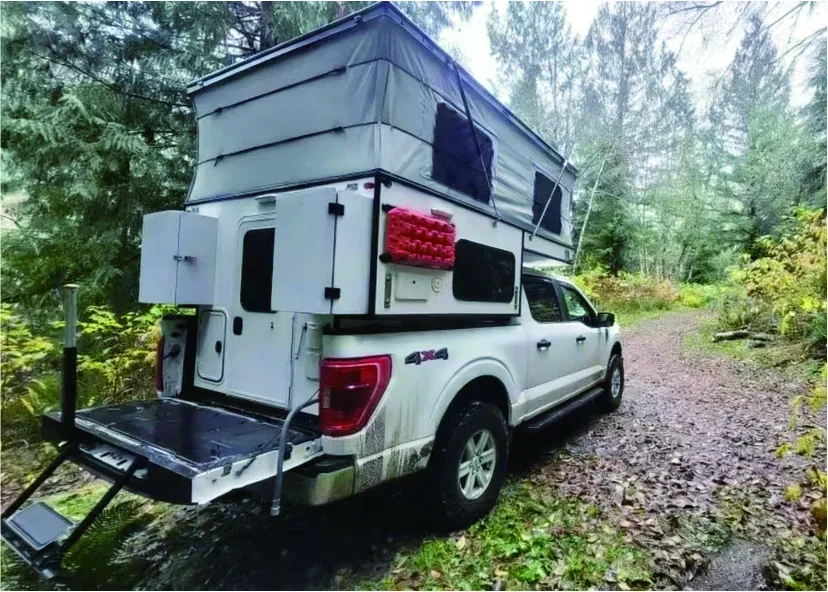
How to choose — matching roof type, construction and equipment to the climate of the market being served
Specifying for Climate: Canvas, Composite and the Four-Season Question
The climate decision is a roof-and-construction decision, taken before the model is chosen. Hard-top bodies are documented for cold and wet markets where canvas becomes a maintenance item; FRP sandwich panels carry an insulated core with a smooth painted finish; the T6 keeps a pop-top profile but lifts a rigid insulated roof section, and is recorded for four-season retail. Pop-top canvas suits warm markets that prioritise low travel height. Write the climate into the specification as a requirement and let the model follow it.
25 October 2026 · 7 min read · For Importers, RV and 4x4 dealers specifying a range for a destination climate
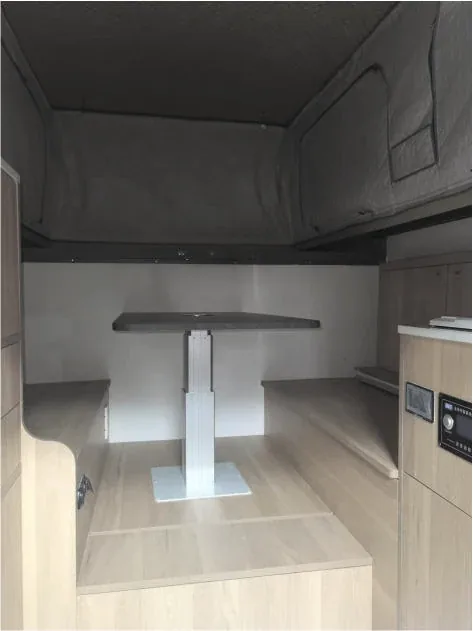
Layout configuration literacy — deciding what the interior of an ordered unit contains before the specification is frozen
Interior Layout as a Market Decision: Berths, Dinette and Bathroom
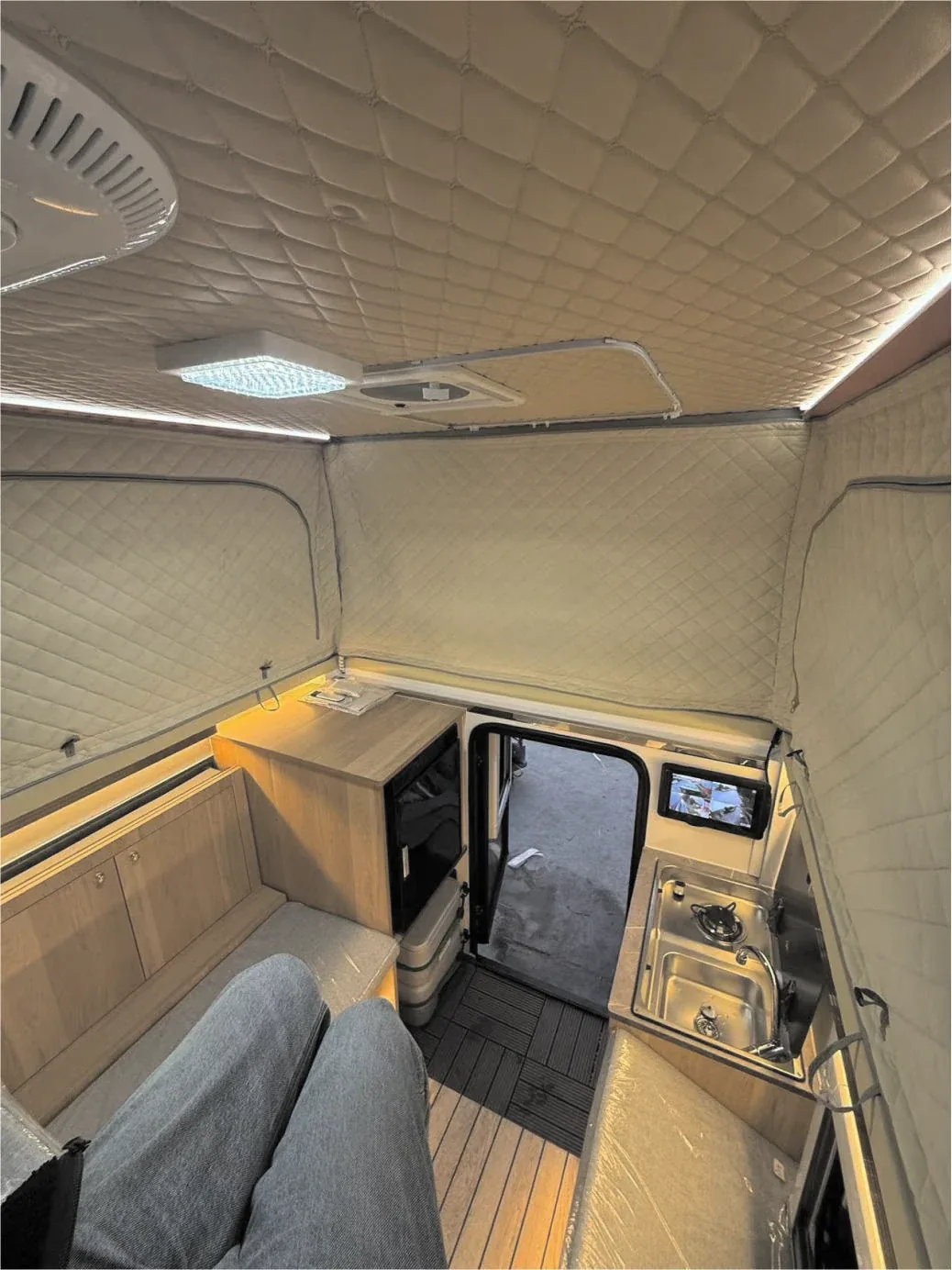
The catalogue model defines the structure — construction, roof type, window positions, mounting base — not the floor plan. Interior layout, berth arrangement, kitchen and bathroom equipment, table systems and lighting are configured to the market position from the options catalogue, per order: from a simple two-berth layout to a unit with bathroom, hot water and a compressor fridge. That makes the layout a per-order market decision, and it is settled in the written specification before production.
24 October 2026 · 7 min read · For RV and 4x4 dealers, rental fleet specifiers, private-label brands
Interior services configuration — grouping the options catalogue by 12 V power, water and gas before the layout is confirmed
Power, Water and Gas: Specifying the Services Inside a Camper Body
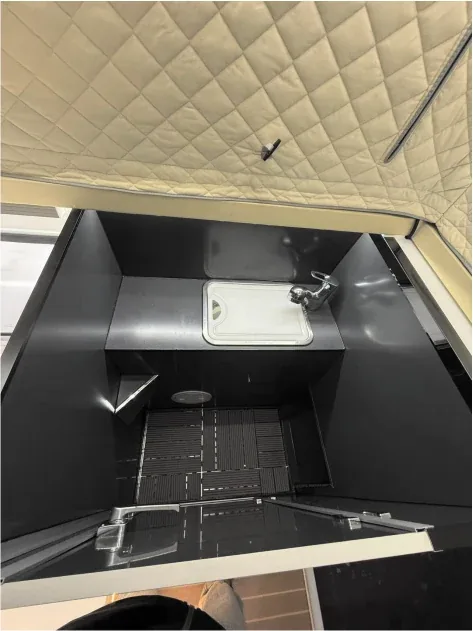
The options catalogue lists interior equipment flat, by location. The way to specify it is by service: a 12 V group (vehicle fridge, roof lighting, ambient lighting, exhaust fan, monitoring display, plus the Anderson plug and air conditioning outside the cabin), a water group (sink units, bathroom module or portable toilet, shower fittings, floor drainage) and a gas group (the combined sink and gas stove unit). The groups are planned together because they share space and wiring, the equipment level is confirmed per order from the catalogue, and gas-related compliance documents are confirmed against the destination market before the order.
23 October 2026 · 7 min read · For RV and 4x4 dealers, rental and fleet operators, private-label brands
Repeat-programme mechanics — what changes operationally when an importer returns for a follow-up order
The Second Order: What Changes When the Camper Programme Repeats
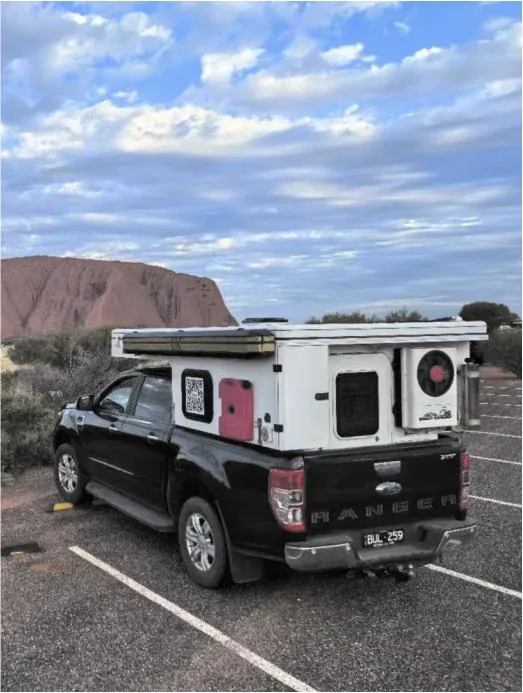
The second order runs on documents that already exist. For repeat programmes the specification and the artwork are kept on file, so a follow-up order is produced to the same standard without re-approval; parts continue to come from the same production line as the units; and the six process stages do not change. What changes is the nature of the buyer work: the first order was spent on specifying, the second is spent on confirming — vehicles, equipment level, quantity, port and compliance position — so the quotation is issued against current inputs, not stale ones.
22 October 2026 · 7 min read · For Importers and distributors, private-label brands, rental and fleet operators
Objection handling — qualifying a customer vehicle for a camper when per-model weights are not published
The Payload Question: What to Confirm When Weights Are Not Published
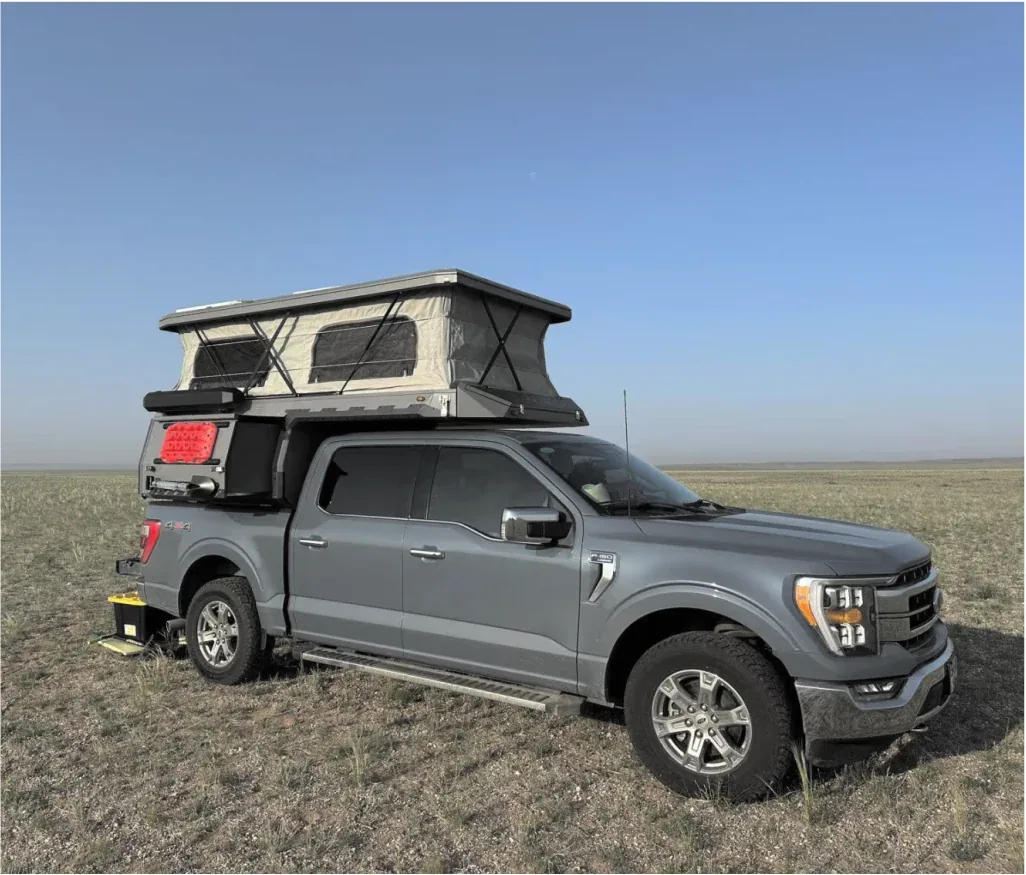
The payload equation has two halves, and the buyer can prepare one of them today: the vehicle payload from the truck's own data and, for roof-top tents, the roof load rating. The other half — body length, mounting type and the weight of the configured unit — is confirmed before the order, when the body is specified against that exact vehicle and its equipment list. Nobody needs to invent a number; both halves just have to be confirmed in the right order.
21 October 2026 · 7 min read · For RV and 4x4 dealers, rental and fleet operators, importers
Process transparency — what documents to demand and file at each stage of an order
From Enquiry to Loading: the Records an Importer Should Expect
Six stages, six records: the written specification, the quotation issued against it, progress records during production, photo or video evidence at the inspection points, third-party inspection access before loading, and the spares kit list that ships with the first order. A supplier that cannot produce each one on request is asking the buyer to carry the risk.
20 October 2026 · 7 min read · For First-time importers, dealers and fleet buyers running a camper programme
Application — choosing the exterior equipment level for a camper order
The Camp Kit Around the Body: Awnings, Showers and Roof Equipment
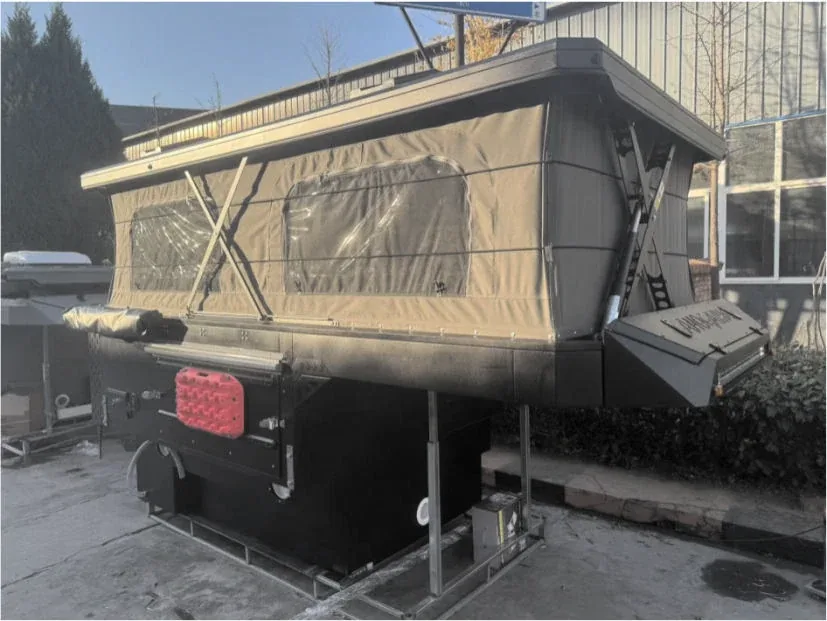
The campable kit is decided per model from a short list — awning, outdoor shower with privacy enclosure, roof air conditioning, roof rack or drag-reduction box, exterior lighting and canvas windows — and the right mix depends on who opens the unit: a retail customer wants the camp experience, a rental hand-over wants speed and durability, and a trade buyer may want almost none of it.
19 October 2026 · 6 min read · For Dealers, rental fleet operators, importers configuring equipment levels
Specification literacy — reading the standard inclusions list against the options catalogue
Standard Inclusions or Options: What Actually Comes With the Body
Every model carries a short standard list that defines what that model is — body construction, roof type, window arrangement, storage and mounting hardware — while the options catalogue decides what the order is: lift upgrades, roof and camp equipment, interior functions, interior colour scheme and exterior identity. Read the two lists separately and a quotation becomes comparable; read them together and two suppliers look alike when they are not.
18 October 2026 · 8 min read · For First-time importers, dealers comparing quotations and private-label brands building a model list
Order-path onboarding — how small the first step can be and how to specify it
The Evaluation Unit: How to Start a Camper Programme Without a Container
The route is the same whether you order one evaluation unit or a full container programme: a written specification, a quotation issued against it, production with progress records, and a pre-shipment inspection before loading. Because MOQ is flexible and mixed-model loads are accepted, the first step can be a single unit specified exactly like the series that follows it — so the unit tests the supplier, the build and the specification without committing you to a container.
17 October 2026 · 7 min read · For First-time importers, RV and 4x4 dealers and private-label brands testing a camper programme
Specification interpretation — choosing and writing the roof lifting mechanism into an order
Specifying the Pop-Top Roof Lift: Manual, Assisted or Electric
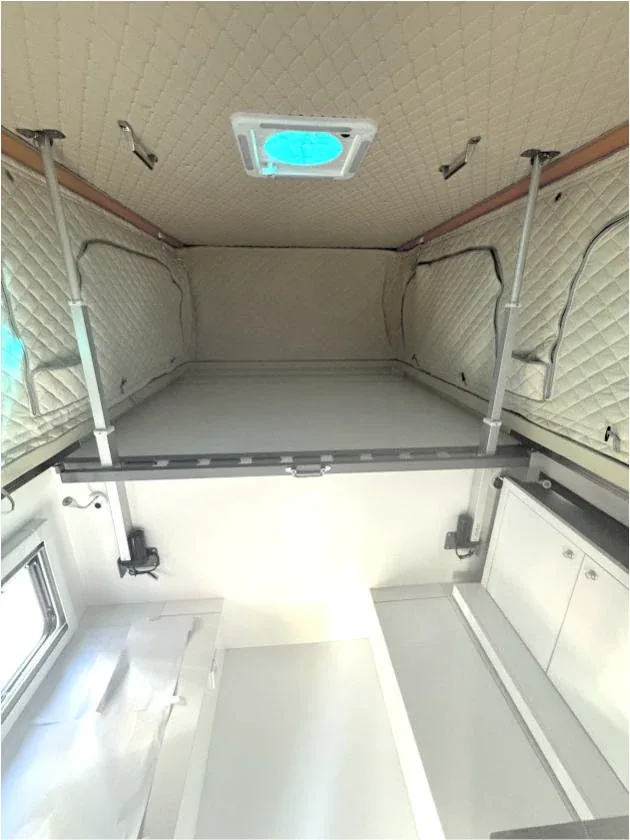
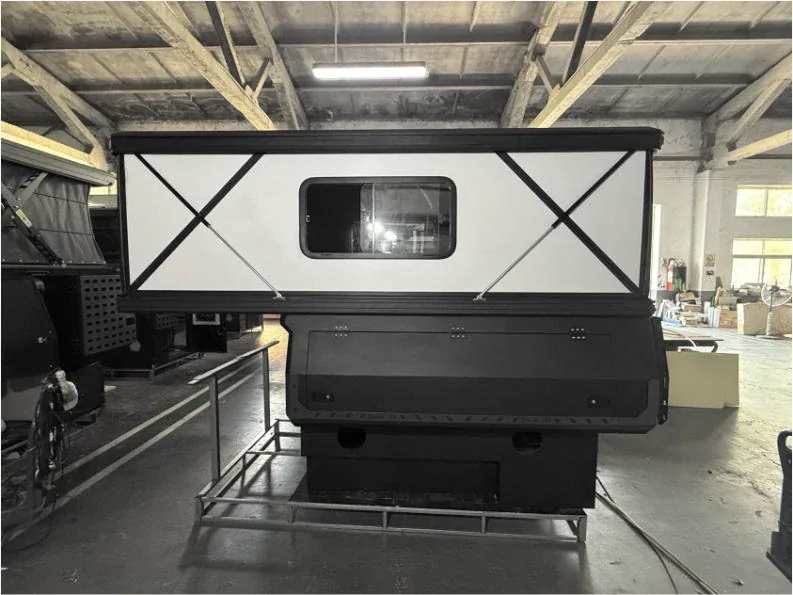
The lifting mechanism is specified against the roof section it has to raise, not against the price list. Manual lifting with spring or hydraulic assist is the standard configuration across the pop-top range and is entirely adequate for the smaller bodies. Electric scissor lifting is optional on most models and becomes the recommended choice on the T4 flat-deck and the T5 residence bodies, where the roof section is larger and heavier. There is one exception to write down before a range is built: the T3 FRP pop-top is manual only, so the lift cannot be standardised across a mixed range without knowing which model is in it.
16 October 2026 · 7 min read · For Importers, RV and 4x4 dealers, rental and fleet operators specifying pop-top camper bodies
Product-structure literacy — choosing the mounting base before the body
Flat-Deck and Chassis-Mount Bodies: When the Pickup Bed Is Not the Base
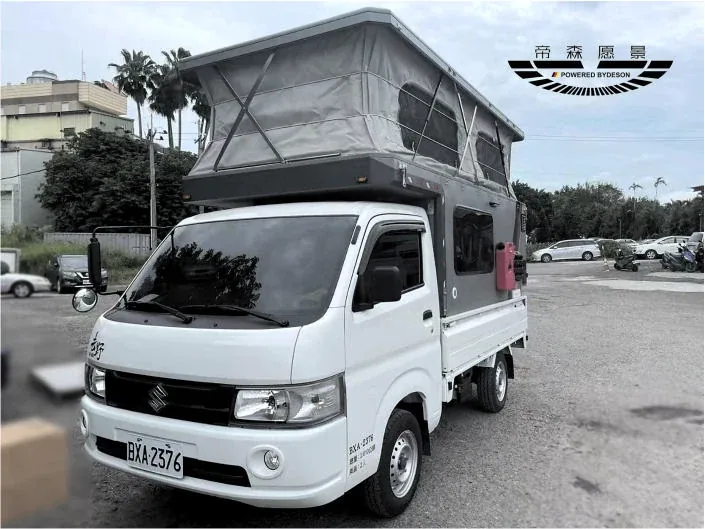
Most of the range assumes a pickup bed: the body is made to the bed dimensions of the vehicle you name, bolts in without cutting or welding, and can be removed again. Two models work from a different base. The T4 flat-deck body is made to the flatbed dimensions of a flatbed pickup or light truck. The T5 residence body is bolted directly to the pickup frame. Both are still built to your vehicle data, both stay reversible, and both are the models where electric roof lifting is recommended because the roof section is larger and heavier.
15 October 2026 · 7 min read · For Importers and dealers serving commercial, utility and overland truck markets
OEM exterior customisation — what the buyer controls on windows, colour and livery
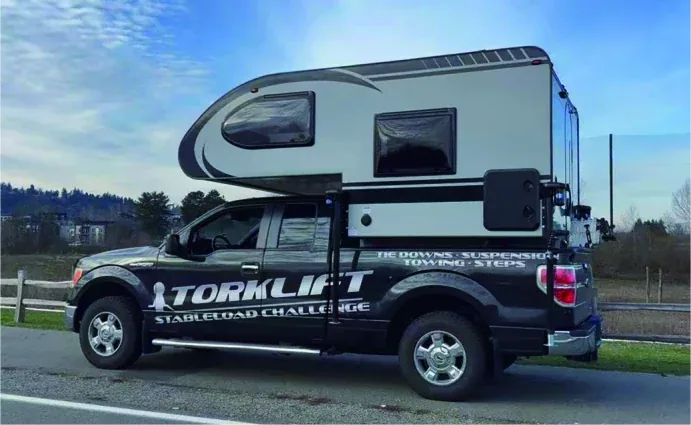
Specifying Windows, Colour and Livery: What the Exterior Says About Your Brand
The construction and mounting type come from the model you order, but the exterior identity is set per order: body colour, graphic livery and window count are specified by you, and artwork is approved in writing before production starts. Window count is the line most buyers forget — on the hard-top bodies it is adjustable rather than fixed by the model — and for repeat programmes the specification and artwork are kept on file so a follow-up order is produced to the same standard.
14 October 2026 · 7 min read · For Private-label brands and OEM buyers specifying a camper programme
Purchase-process literacy — what a usable camper quotation contains before signing
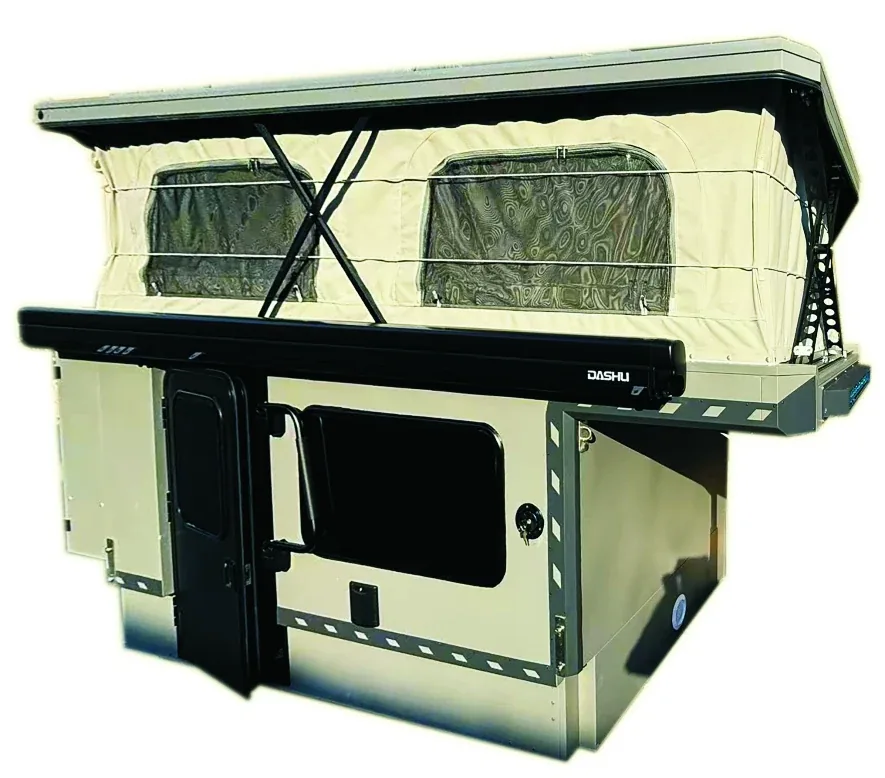
Reading a Camper Quotation: What Should Be in It Before You Sign
A usable camper quotation is issued against a confirmed written specification, a stated quantity and a named destination port. It should also state the equipment level, the shipping format and the documents position for your market. Lead time belongs to the order volume, not to a fixed calendar figure, so a quotation that holds days but not volumes is a quotation with assumptions attached.
13 October 2026 · 7 min read · For First-time importers and distributors placing a first camper order

Supplier evaluation — weighing after-sales support before committing to a manufacturer
Spare Parts and After Sales as a Supplier Selection Criterion
Ask three questions of any camper supplier: where the parts come from, what ships with the first order, and what inspection access you get before loading. A manufacturer that supplies its own line answers all three from fact — parts from the same production line as the units, a recommended spares kit in the first delivery, and an open invitation to inspect. An assembler that buys finished boxes answers all three badly, because the honest answer to each is: not from us.
12 October 2026 · 7 min read · For Importers, distributors, RV and 4x4 dealers, rental fleet operators
Range positioning — selling one canopy product to work-truck and leisure buyers
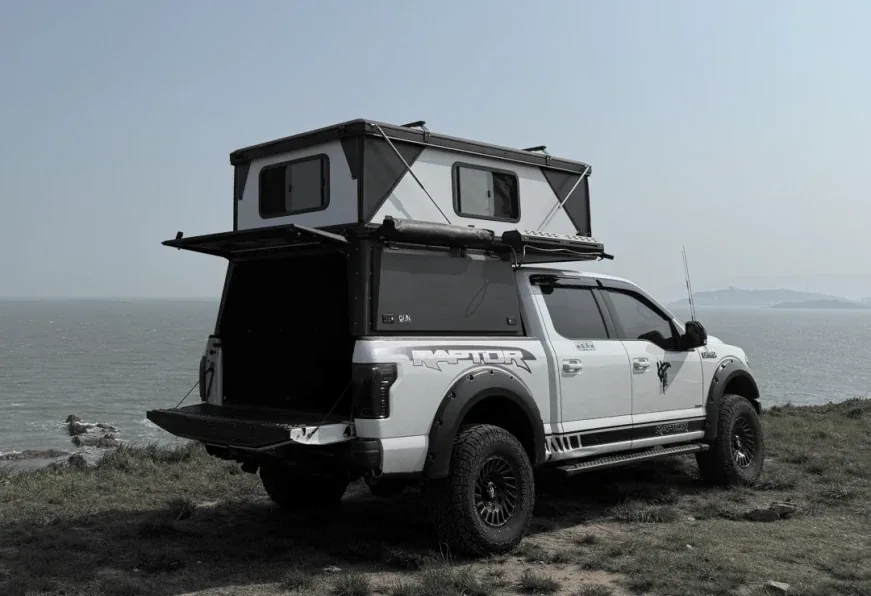
Canopy Campers for Work-Truck Markets: One Product, Two Jobs
A canopy camper is two products in one vehicle: an all-aluminium high cover that gives the pickup lockable, weatherproof cargo space for the working week, and a folding roof tent built into that same roof that turns it into a sleeping unit at the weekend. For a dealer serving trade buyers that dual role is the whole sales argument — the customer buys a canopy for work and discovers a camper for leisure, from one unit and one order.
12 October 2026 · 7 min read · For Dealers serving trade, utility and dual-use pickup buyers
Retail readiness — preparing staff to answer camper questions honestly
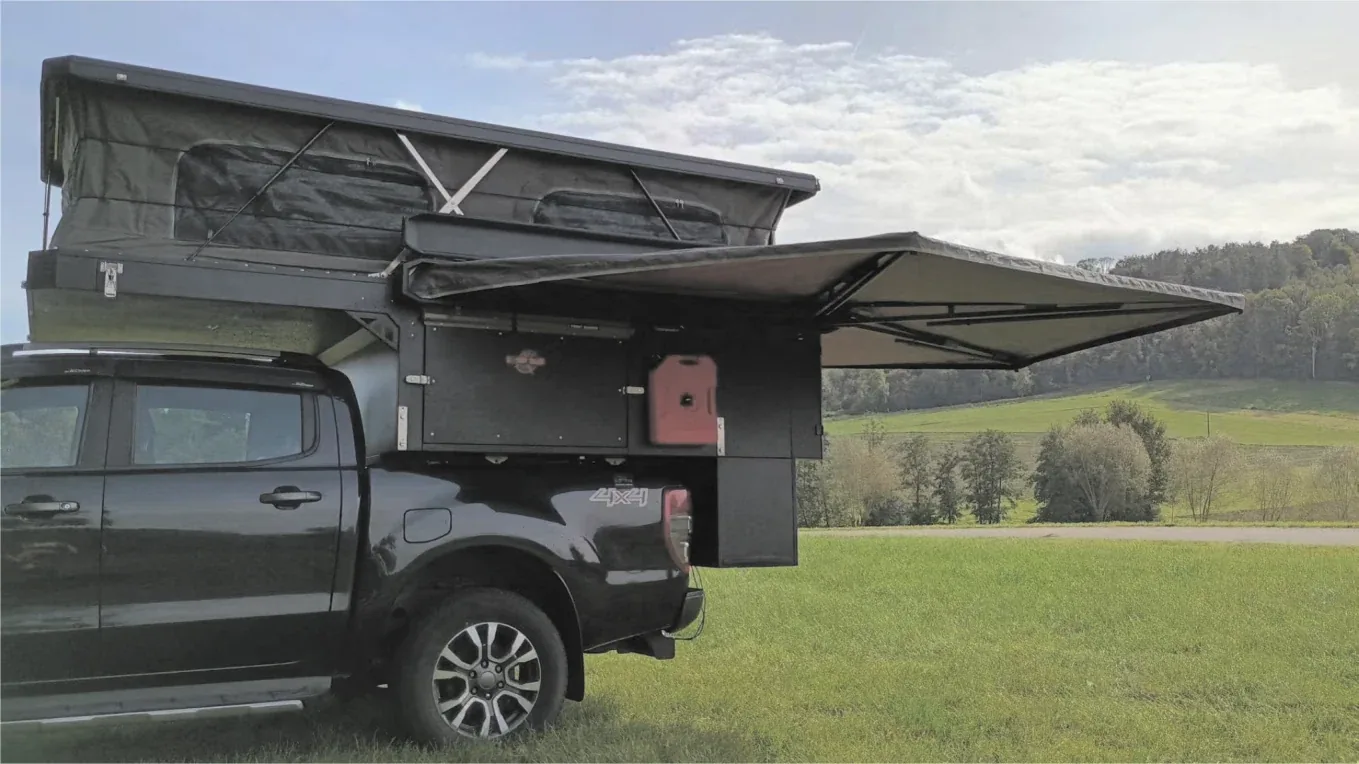
Selling Pickup Campers From the Counter: The Questions Your Staff Will Get
The questions are predictable: will it fit my truck, will installing it damage the vehicle, how hard is the roof to lift, what is it made of, and what happens if something breaks. Every one of those can be answered from the factory facts without quoting a single figure — and the two that cannot, price and delivery, are better answered with a specification conversation anyway.
11 October 2026 · 6 min read · For RV and 4x4 dealership owners, sales staff and counter teams
Application — load planning for a mixed model and shipping format order
Planning a Mixed First Container: Bodies, Tents and How They Load
Decide the model mix and the shipping format together, not one after the other. Camper bodies ship assembled or in shipping configuration depending on the model, roof-top tents containerise as compact flat packs, and mixed-model loads are accepted with flexible MOQ. Getting those three facts into the same plan is what turns a first order into a load you can actually sell from, instead of a container full of units that all sit at the same price point.
11 October 2026 · 7 min read · For Importers and distributors placing a first or second container order
Range extension — whether and how to stock roof-top tents alongside campers
Roof-Top Tents as a Retail Entry Point: What Sells and What Ships Flat
Roof-top tents are the only product in the range that is not tied to a pickup: they mount to any vehicle with a roof rack, and they ship as compact flat packs. That combination makes them the lowest-risk line to add first, and the easiest to carry alongside camper bodies in the same container.
10 October 2026 · 6 min read · For 4x4 accessory retailers, outdoor retailers and mixed-range dealers
Specification — reading what the camper body material changes after the sale
Aluminium or FRP: What the Body Material Decides for Your Market
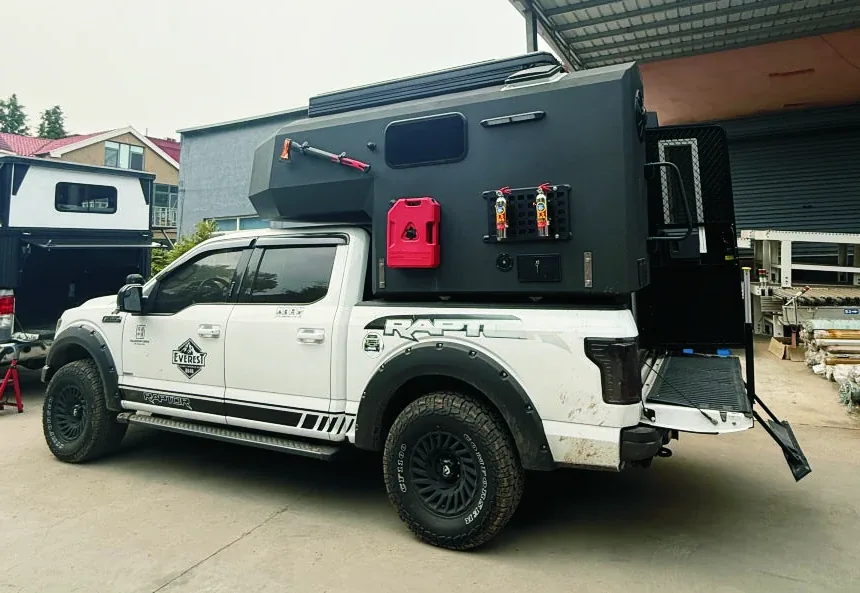
Both constructions are produced in-house and both are available across the range, so material is an engineering choice rather than a factory limitation. Welded aluminium gives one-piece rigidity and suits a technical or off-road positioning; FRP sandwich composite gives a smooth painted finish over an insulated core and suits a conventional retail line. The decision shows up after the sale, in insulation, finish, repair and weight allowance, which is why it belongs in the specification rather than in the marketing.
10 October 2026 · 7 min read · For RV and 4x4 dealers, importers and private-label brands finalising a specification
Comparison — choosing which camper range to stock for a given market
Pop-Top or Hard-Top Pickup Camper: How to Match the Body to Your Market
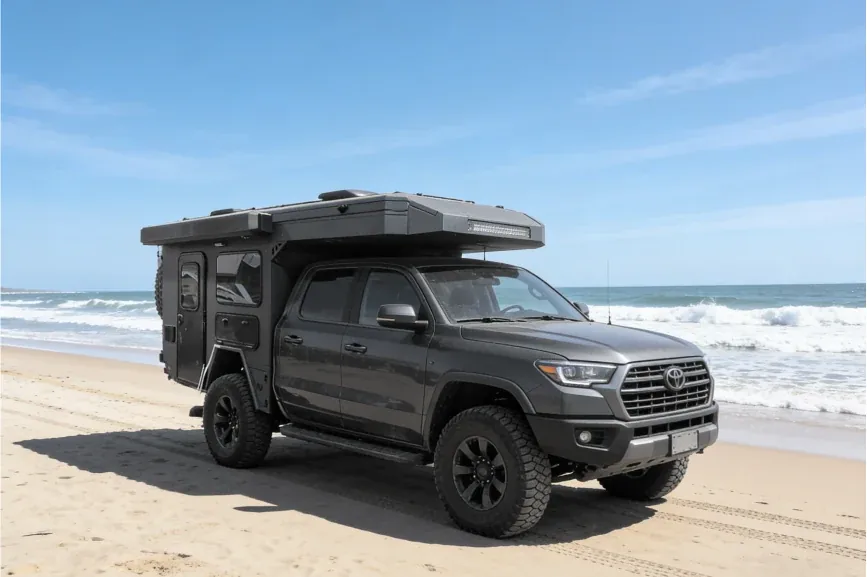
Start with two questions: does the customer need a low travel height, or a unit that is already set up to sleep in? And will the market accept a canvas roof as a wear item? Pop-top bodies answer the first, hard-top bodies answer the second. Both ranges are built in the same factory, mount the same way and take the same interior equipment, so this is a market decision rather than a capability one.
9 October 2026 · 7 min read · For Importers, RV and 4x4 dealers, private-label brands
Application — standardising a rental or tour fleet before ordering
Specifying Camper Bodies for a Rental Fleet: What to Standardise Before the First Container
Fix four things before you choose models: the vehicle list, the lift mechanism, the equipment level and the spares position. Every body is custom-made to its vehicle rather than picked from stock, so uniformity across a fleet comes from the decisions you settle before the order — not from the catalogue.
9 October 2026 · 6 min read · For Rental and tour-fleet operators, and the dealers who supply them
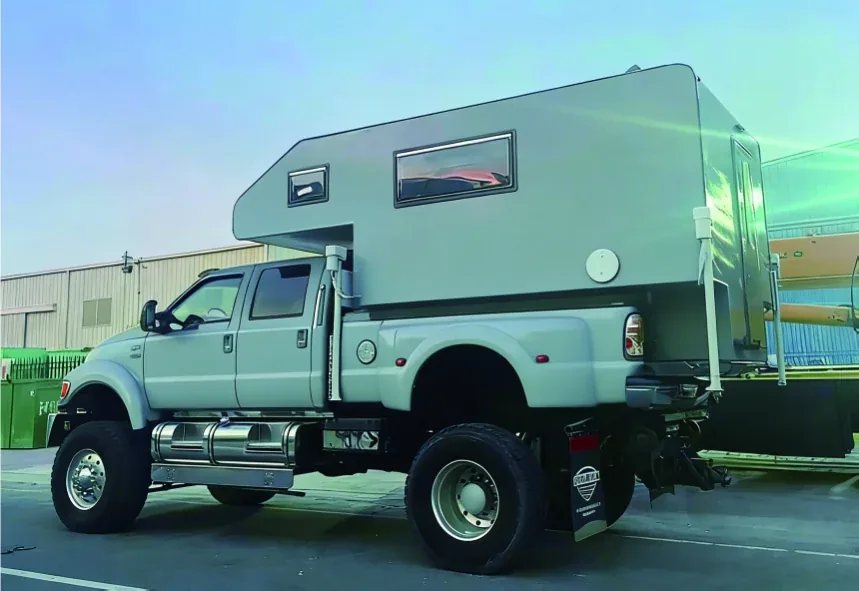
RFQ preparation — what an importer should send before quoting
What to Put in a Pickup Camper RFQ So the Quotation Matches Your Market
Send five things: the pickup list with bed, flatbed or chassis dimensions, the destination market, the equipment level you intend to sell, the order volume and model mix you are planning, and the shipping format you want. Quotation is issued against that confirmed specification, so the RFQ is what decides whether the answer is usable.
9 October 2026 · 6 min read · For First-time importers and buyers preparing their first enquiry
How these are written
Product facts only, with the gaps left visible
Each guide is built from the same source the product pages use. Where a figure or a document does not exist yet, the guide says so instead of estimating it.
Traceable claims
Every guide ends with the list of statements it makes and where each one comes from, so a buyer can check the reasoning rather than take it on trust.
No published price or lead time
Commercial terms depend on the model mix, the destination and the order volume, so they are quoted against your enquiry rather than printed in an article.
Send the market you are buying for
Tell us the destination, the pickups you intend to serve and the models you are considering, and we reply with the specification, options and the documents we can supply for that configuration.