The two rules behind everything else
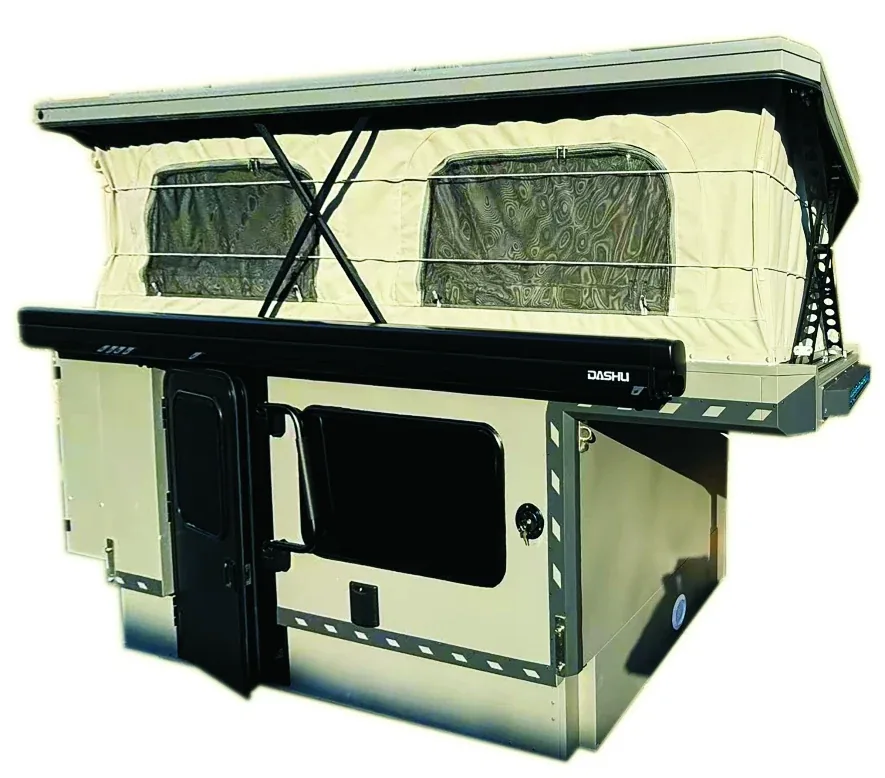
Camper bodies are not catalogue items that sit in a warehouse waiting for an order. Every unit is made to a vehicle and to a buyer specification, so two quotations for the same model can read differently and still be correct. That is what makes the document worth reading rather than skimming.
The first rule is that a quotation follows a specification, not the other way round. The written specification names the model, the fitment, the interior equipment and the exterior identity; the quotation then prices that document. If you receive a price before a specification, you have received an estimate of something that has not been defined yet.
The second rule is that price and lead time are variables of the order, not properties of the product. Price moves with model mix, quantity and destination; lead time is quoted against the volume you order rather than as a fixed number of days. Any quotation that states days without stating volumes is answering a question you did not ask.
What a usable quotation contains
There is no standard template across the industry, but the same eight fields carry the commercial meaning. Read a quotation against this list and the gaps become visible.
| Field | What it fixes | What to check |
|---|---|---|
| Model and series | Which body you are buying — pop-top, hard-top, canopy or roof tent | Named against the range, not as a body type in general |
| Fitment | The vehicle the body is made for | Make, model, generation and bed or chassis dimensions already recorded |
| Mounting and installation | How the unit is fixed to the vehicle | Bolt-on and non-destructive, with the mounting hardware included |
| Equipment level | The interior and exterior options priced in | Items listed line by line, not as a single package description |
| Exterior identity | Colour, graphic livery and window count | Set per order, with artwork approved in writing before production |
| Quantity | The unit count the price is based on | Matches the quantity you intend to order, model by model |
| Shipping format | How the units are delivered | Assembled or in shipping configuration, with roof tents as flat packs |
| Destination and documents | The port and the compliance position for your market | Destination port named; documents confirmed against that market |
Three lines that reveal how the supplier works
How the equipment level is written
A quotation that says the unit comes fully equipped tells you nothing you can hold anyone to. The interior is configured per order from the options catalogue — roof air conditioning, ventilation, refrigeration, galley equipment, bathroom module, dinette systems, lighting and monitoring displays. A supplier who expects to be held to the order will list what is in and, just as usefully, what is out.
How the shipping line is written
Shipping format is a production decision as much as a freight one. Units ship assembled or in shipping configuration according to the model and how you want to receive them at the destination, and roof tents containerise as flat packs. If the quotation is silent on format, you cannot compare it honestly against another supplier, because you are not comparing the same delivery.
How the documents line is written
Compliance requirements differ by product and by destination market, so a serious quotation states which documents are confirmed for your market and configuration rather than promising a list that may not apply. This is the line that most often decides whether the first shipment clears without surprises.
Reading the quotation against the process
It helps to know which stage of the order a quotation comes from. A first camper programme moves through specification, quotation, production, inspection, shipping and after sales, and the quotation sits between the first two. That is why nothing in it should be invented: everything in it is supposed to be copied from the specification you approved in the previous step.
- Specification — you send the pickup details, the market and the equipment list; the supplier returns a written specification naming the model and the options that apply.
- Quotation — issued against that confirmed specification, the quantity and the destination port, with lead time stated against the order volume.
- Production — starts against the approved specification and artwork, with progress records at the agreed checkpoints.
- Inspection — carried out before loading, by your own inspector or a third party, with access arranged by the supplier.
- After sales — recommended spares kits ship with the first order, and additional parts are supplied from the same line.
A quotation that already refers back to the approved specification is a good sign on its own: it means the document was produced from your file rather than from a general price list. It is also the reason repeat orders run faster — for repeat programmes the specification and artwork are kept on file, so a follow-up order is produced to the same standard without re-approval.
Comparing two quotations honestly
Quotations from different suppliers are rarely comparable as they arrive, because each one defines a slightly different product, includes a different equipment list and assumes a different shipping format. Before you compare numbers, normalise the paperwork.
- Write the specification you actually want once, and send the same document to every supplier.
- Ask each supplier to quote that exact specification at the same quantity and the same destination port.
- Ask each to state the shipping format and what is included in the mounting hardware.
- Ask each to state which documents are confirmed for your market and which are still to be confirmed.
- Only then compare the numbers — and treat any unanswered line as an open item rather than as an inclusion.
An action list before you sign
- Confirm the specification is the one you approved — model, fitment, equipment and exterior identity all present.
- Confirm the vehicle data on the document matches the trucks you actually sell or import.
- Confirm the quantity and the model mix, including any roof tents travelling in the same load.
- Confirm the destination port is named, since the price moves with it.
- Confirm the documents position for your market in writing rather than by assumption.
- Confirm the shipping format, so you know what arrives and what is left to do at your end.
- Confirm what ships with the first order on the parts side, and how later parts are supplied.
- Keep the approved specification and artwork filed — that file is what makes the second order fast.
None of this replaces a price. It makes the price mean something: a number attached to a defined body, a stated quantity and a named port, with the shipping and documents positions written down beside it. Send us the market you are opening and the vehicles you sell into, and we will put the specification in writing first so the quotation that follows has something to stand on.