The first order builds the file; the second one runs on it
An importer's first container is, more than anything else, a documentation exercise. The vehicle data goes out, a written specification comes back naming the model and the options, the artwork is approved in writing before the units are built, and the quotation is issued against the confirmed specification, the quantity and the destination port. By the time the first order ships, all of that exists on paper. The second order is where that paper starts paying for itself: for repeat programmes the specification and the artwork are kept on file, so a follow-up order is produced to the same standard without re-approval. The buyer does not rebuild the programme. The buyer checks that the file still describes the market it is selling into.
| Stage | First order | Second order |
|---|---|---|
| 01 Specification | Built from scratch: vehicle data, target market and equipment list go out, a written specification comes back | Read the file and amend only what changed; the on-file specification is the baseline |
| 02 Quotation | Issued against the confirmed specification, quantity and destination port | Same basis; if the volume or the port changed, the quotation follows those inputs |
| 03 Production | Starts against the approved specification and artwork | Starts against the same specification and artwork kept on file — no re-approval loop |
| 04 Inspection | Sets the build baseline for the programme | Same access for your own inspector or a third party; results compared against the approved specification |
| 05 Shipping | Assembled or in shipping configuration, decided with the first order | The same format unless the destination or the receiving setup changed |
| 06 After sales | Recommended spares kit ships with the order | Parts continue to come from the same production line as the units |
What being on file actually covers
Two documents do the work. The first is the written specification: the model and its options, the equipment level, the layout, the colour scheme, the livery and the window count — everything the first order fixed in writing. The second is the artwork: the logo and decals applied at the factory, together with your own packaging, manual and warranty wording, all approved in writing before the units were built. Because both are kept for repeat programmes, the follow-up order inherits them as they stand. There is no second round of artwork approvals for a specification that has not changed, and no risk of the third order drifting from the first because somebody re-keyed the options list from memory.
The conversation moves from specifying to confirming
Operationally this is the real change, and it is where a repeat order is won or lost. The first order spends most of its calendar on specification: dimensions, options, layout, artwork proofs. On the second order that work is done, so the buyer's time goes into confirmation — checking each input the programme depends on before the quotation is issued, because the quotation is only as good as the inputs behind it. A repeat order quoted against stale inputs is not cheaper to administer; it just moves the cost downstream to the loading dock.
Four things that genuinely need a fresh look
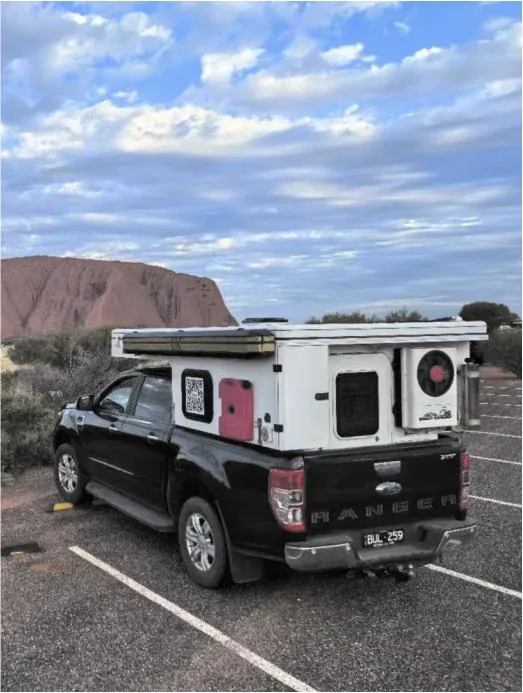
- The vehicle list. Bodies are custom-made to the bed or chassis dimensions of the vehicle. If the market has moved to a new generation of the pickup your programme was built on, that vehicle goes through the fitment confirmation again before the order — a new bed dimension is a new body.
- The equipment level. The interior is configured per order from the options catalogue — fridge, bathroom module, air conditioning, dinette systems, water and power. If the market expectation has moved, the change is an amendment to the written specification, made deliberately before production, never a quiet substitution.
- Quantity and destination port. The quotation is issued against the confirmed specification, the quantity and the destination port, and lead time is stated against that order volume. A repeat order with a different volume or port is re-quoted on those inputs, not carried over.
- Compliance documents. They are confirmed against the destination market for each configuration, so a repeat order for the same market re-uses the position already established — while a new market starts that confirmation before the specification is committed.
Parts continuity is the quiet argument
The most under-priced benefit of repeating with the same supplier is the parts list. Lift mechanisms, windows, hardware and service components come from the same production line as the complete units, and the recommended spares kit that shipped with the first order was built for exactly the configuration now rolling through your market. On a repeat order nothing about that has to be rediscovered: the parts list for the programme is the parts list of the units, and a fleet of mixed ages stays serviceable from one source. An importer who switches suppliers for a follow-up order inherits none of this — the new units may look similar, but the spares inventory, the part numbers and the warranty wording start from zero.
When a repeat order should not be a copy
On file does not mean frozen. A dealer who wants to add a premium position to the range, or a rental operator whose use case has shifted, changes the inputs — and the route is the one already documented: the equipment level and layout are configured to the market position from the options catalogue, and the specification is confirmed against a written document before production. The on-file specification makes that amendment cheaper, because the baseline is written down and the delta is small and visible. What it must never do is absorb an undocumented change: the value of the file is that the third order matches the first, and every deliberate difference is a dated amendment rather than a memory.
The repeat-order checklist
- Pull the on-file specification and artwork and mark every input that has changed since the first order — vehicles, equipment level, branding, market
- Send any new vehicle (make, model, generation, bed or chassis dimensions) for a fresh fitment confirmation before the order
- Confirm the quantity and the destination port so the quotation is issued against current inputs, with lead time stated against the volume
- Decide whether the equipment level carries over or is amended through the options catalogue, and record it in the written specification
- Book inspection access — your own inspector or a third party — and check the units against the approved specification, not against memory
- Review the spares position against the fleet in service; parts continue from the same line as the units
Price and lead time remain order variables — quoted against volume and destination — and the process stages do not change between the first order and the tenth; that consistency is the point of a programme. If the first order is still on your desk, the evaluation-unit article shows how small that first step can be. If it has already shipped, send the follow-up enquiry through the contact page with the changed inputs marked, and the quotation comes back against the programme that is already on file.