Why a generic enquiry produces a generic answer
A camper body is not a catalogue item with a list price. The specification is agreed first, and the quotation is issued against it — together with the destination and the order volume. An enquiry that leaves out the vehicle or the market cannot be answered with anything more useful than a range of possibilities.
1. The vehicle list
This is the first section of a usable RFQ, because the body is made to the vehicle rather than adapted from stock. Send:
- Make, model and generation of each pickup you intend to serve.
- Bed dimensions for bed-mounted bodies.
- Flatbed dimensions for the T4 flat-deck.
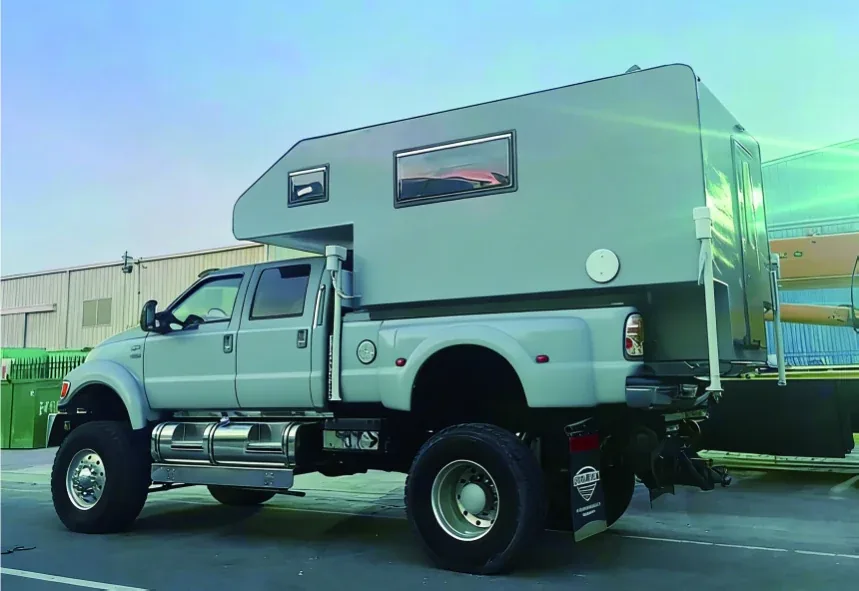
- Chassis dimensions for the T5 residence, which bolts directly to the frame.
- Any vehicle already sold in your market that the unit is expected to sit alongside.
2. The destination market
Compliance requirements differ by product and by destination market. Name the country or countries you are selling into, and say whether the units are for retail sale or for your own rental operation — the two routes raise different documentation questions. Which documents can be supplied for a given configuration is confirmed before you commit to that specification.
3. The equipment level you intend to sell
The interior is configured per order from the options catalogue: roof air conditioning, bidirectional ventilation fan, vehicle fridge, combined sink and gas stove unit, bathroom module, dinette systems, tables, lighting and monitoring displays. Name the use case and the price point you are selling at, and the equipment list can be proposed for you rather than assembled from scratch.
It also helps to say which ranges you are considering: pop-top (T1 to T6), hard-top (H1 and H2), canopy with roof tent (C1 and C2), or roof-top tents (R1 and R2). The ranges answer different market positions, and narrowing the list early removes a round of correspondence.
4. Order volume and model mix
MOQ is flexible and depends on the series and on how the units are shipped. Mixed-model container loads are accepted, and roof-top tents ship as compact flat packs — so a first order can combine camper bodies with tents. Stating an intended quantity, even approximately, is what allows lead time to be quoted against your order volume instead of as a fixed number of days.
5. Shipping format
Say how you want to receive the units. Camper bodies ship assembled or in shipping configuration depending on the model, and roof-top tents containerise flat. The destination port and the format you want both feed into the quotation, so leaving them out means the number comes back with an assumption attached.
What happens after you send it
- Specification. A written specification comes back naming the model and the options that apply to your vehicles.
- Quotation. Issued against the confirmed specification, quantity and destination port.
- Production. Starts against the approved specification and artwork, with progress records at the agreed checkpoints.
- Inspection. Pre-shipment inspection by your own inspector or a third-party company before the units are loaded.
- Shipping. Units ship in the format agreed for the model.
- After sales. A recommended spares kit ships with the first order; further parts come from the same production line.
A copy-and-paste RFQ checklist
- Vehicles: make, model, generation, and bed, flatbed or chassis dimensions.
- Destination market and sales channel.
- Models under consideration and the price point you are selling at.
- Equipment level: fixed items and optional upgrades.
- Intended order volume and model mix.
- Shipping format and destination port.
- Compliance question: which documents you need for the market.
- Whether the branding is yours (OEM or ODM) or the standard range.